The Importance of Inventory
Latin America & Caribbean Islamic Studies Association (LACISA) Newsletter, Vol. 6, no. 1 (Winter/Spring 2026)
3/17/20262 min read
Dear Colleagues and Collaborators,
Ramadan Kareem! The editors at the Latin American and Caribbean Islamic Studies Association (LACISA) Newsletter wish those who mark this season a blessed remainder of the holy month and a wonderful Eid al-Fitr.
Alongside Ramadan, we also open this issue at a moment when conversations about Islam and Muslim communities are unfolding against a backdrop of profound global upheaval. Ongoing crises across Southwest Asia and Africa continue to shape public discourse, media narratives, migration patterns, and scholarly attention worldwide. These developments remind us that the study of Islam is never abstract, but about how communities, ideas, and solidarities circulate across regions, including throughout Latin America, the Caribbean, and the Latinx Americas.
For scholars working in and on the Americas, these moments underscore the importance of careful research, historical depth, and attention to the diverse ways Muslim lives are lived and understood across the hemisphere. Our field remains relatively small but deeply interconnected, and the work shared through this network—archival discoveries, ethnographic insight, public scholarship, and collaborative projects—continues to enrich broader conversations about religion, diaspora, and global belonging.
This issue offers several windows into that work.
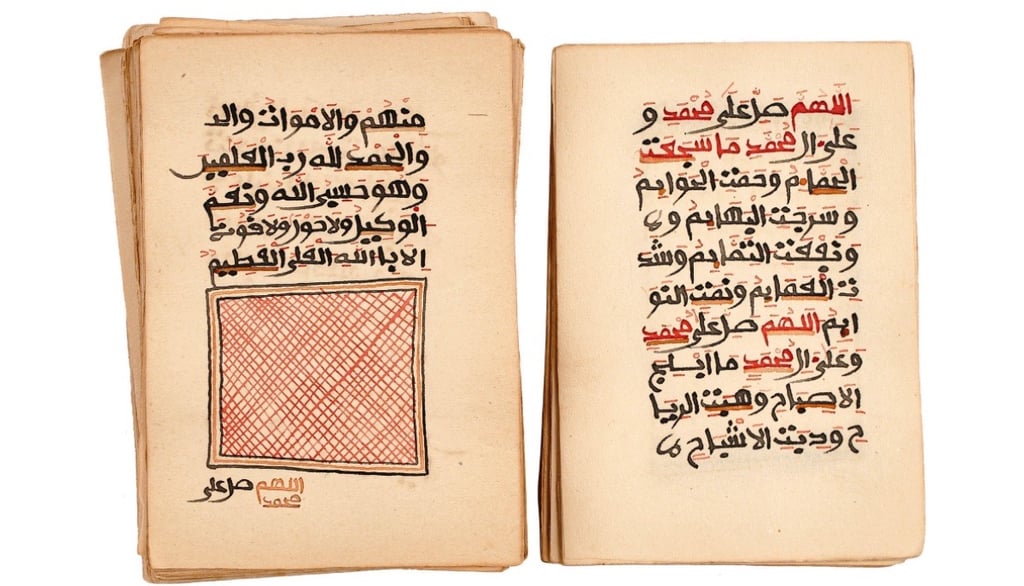
We begin with a fascinating interview with Fernanda Pereira Mendes, who discusses her efforts to document and analyze an Arabic manuscript inventory in Brazil. Her work highlights the presence of Arabic-language materials preserved in Brazilian collections and reflects on the importance of identifying, cataloging, and interpreting these sources. Such archives open new pathways for understanding the intellectual and diasporic histories that link Latin America with Arabic-speaking and Muslim-majority societies.
We also include a reminder about the call for entries for a new edition of the Springer Encyclopedia of Latin American Religions. This collaborative reference project offers an important platform for scholars to contribute accessible, authoritative entries on religious communities, movements, and concepts shaping the region. We encourage members of the LACISA network to consider submitting proposals so that the histories and contemporary realities of Muslim communities in Latin America and the Caribbean continue to be represented in global scholarly resources.
As always, the newsletter features news and notes from members across our network. In this issue you will find updates on recent presentations, announcements of new research initiatives, and opportunities to connect with colleagues. Among them are calls for papers and participation emerging from scholarly initiatives in Mexico and Costa Rica, reflecting the ongoing growth of conversations about Islam and Muslim life across the region.
Finally, we conclude with a roundup of recent media coverage related to Islam and Muslim communities in the Americas. The selections span the Latinx United States, Mexico, Brazil, and other parts of Latin America, illustrating the many ways Muslim presence in the hemisphere is appearing in journalism, commentary, and public debate.
Taken together, these pieces remind us that the study of Islam in the Americas is both locally grounded and globally entangled. At a time when public conversations about Islam are often shaped by crisis and conflict, scholarship on Muslim communities in Latin America and the Caribbean offers important perspectives—ones that highlight rich complexity, deep history, and the many forms of everyday life that rarely make headlines.
Thank you, as always, for being part of this growing scholarly community. If you have news, publications, or opportunities you would like to share in a future issue, please do not hesitate to reach out.
Adelante,
Ken Chitwood
LACISA Senior Editor